The Planters' Guild · Recommendations
The Supply Shelf
The substrate ingredients and supplies we use, and how our recommendations work.
Corrected September 2026: we've revised this page. See the correction note at the end.
Substrate ingredients
The ingredients in our Substrate Library recipes, plus two we use outside them.
Terracotta buttons are Amazon affiliate links; we earn a small commission if you buy.
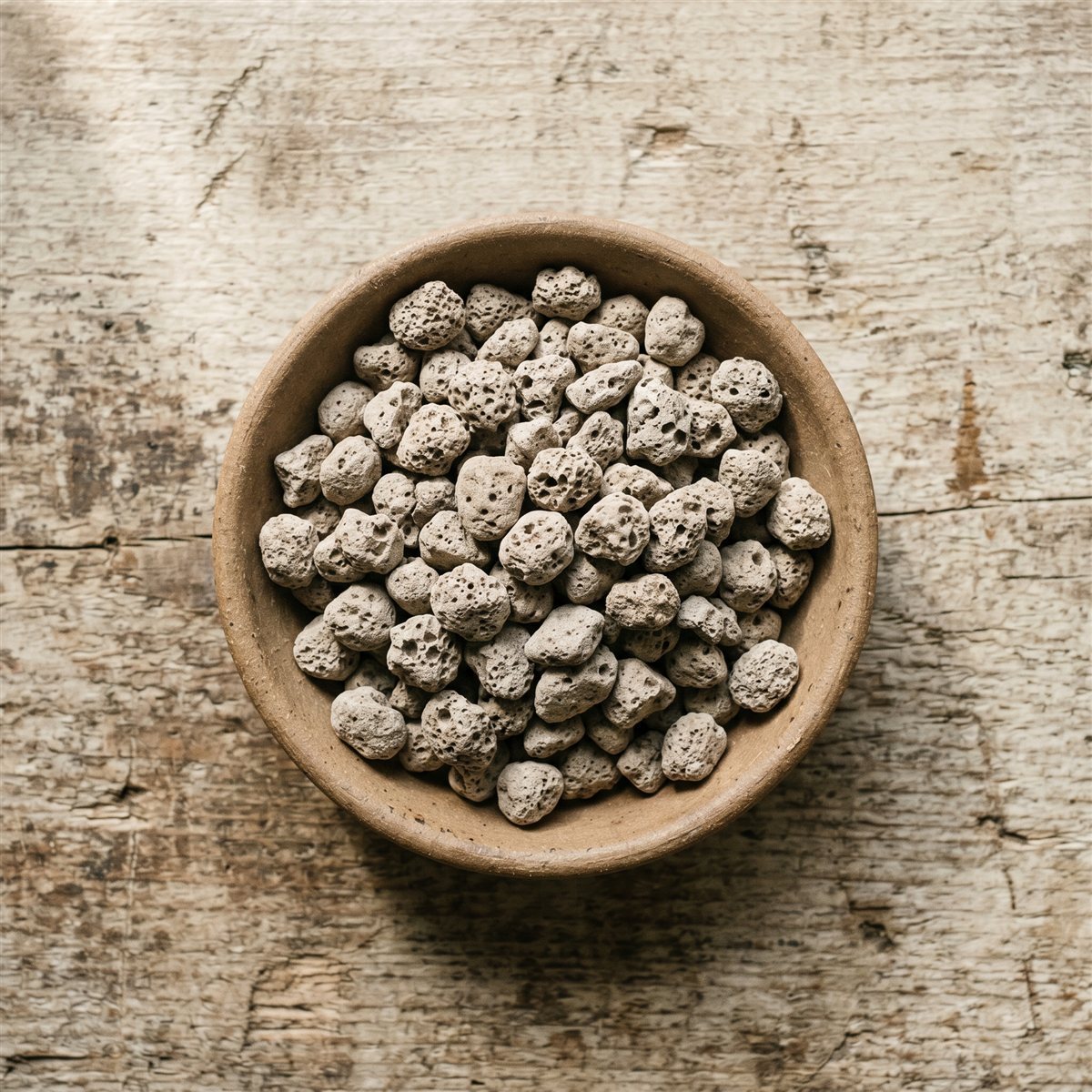
The aggregate we go through fastest, and part of every recipe we publish. Pumice is light and porous and holds only a small amount of water (Evans, 2014). It's generally considered physically stable in a mix (Schabauer et al., 2026). But in a trial of bark-based mixes with and without pumice, air space still fell over time, and tended to fall more with a plant's roots in the mix (Altland et al., 2011). Our recipes use the 1/4-inch grade, plus 1/2-inch in the Aroid Mineral Mix for 4-inch pots and up. We also keep the 1/8-inch grade, with the fines screened out, for our establishment mixes and several of our finer mixes; those recipes aren't on the site yet.
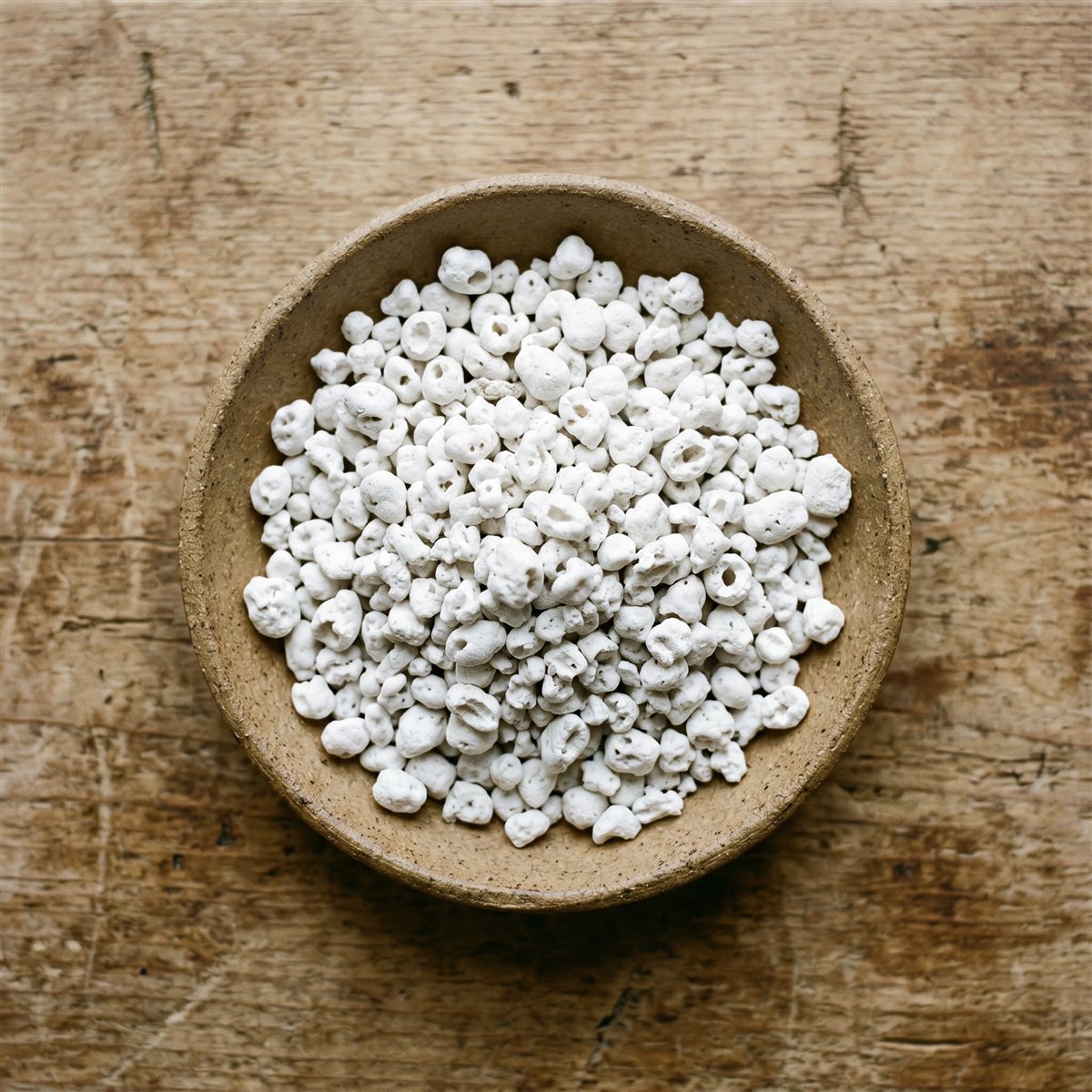
Perlite is added to a mix to open up large pores, cutting how much water it holds and raising its air space (Evans, 2014). Our recipes use coarse (#3) and fine grades. It's dusty, so we dampen it before mixing. We don't link a product for it yet.
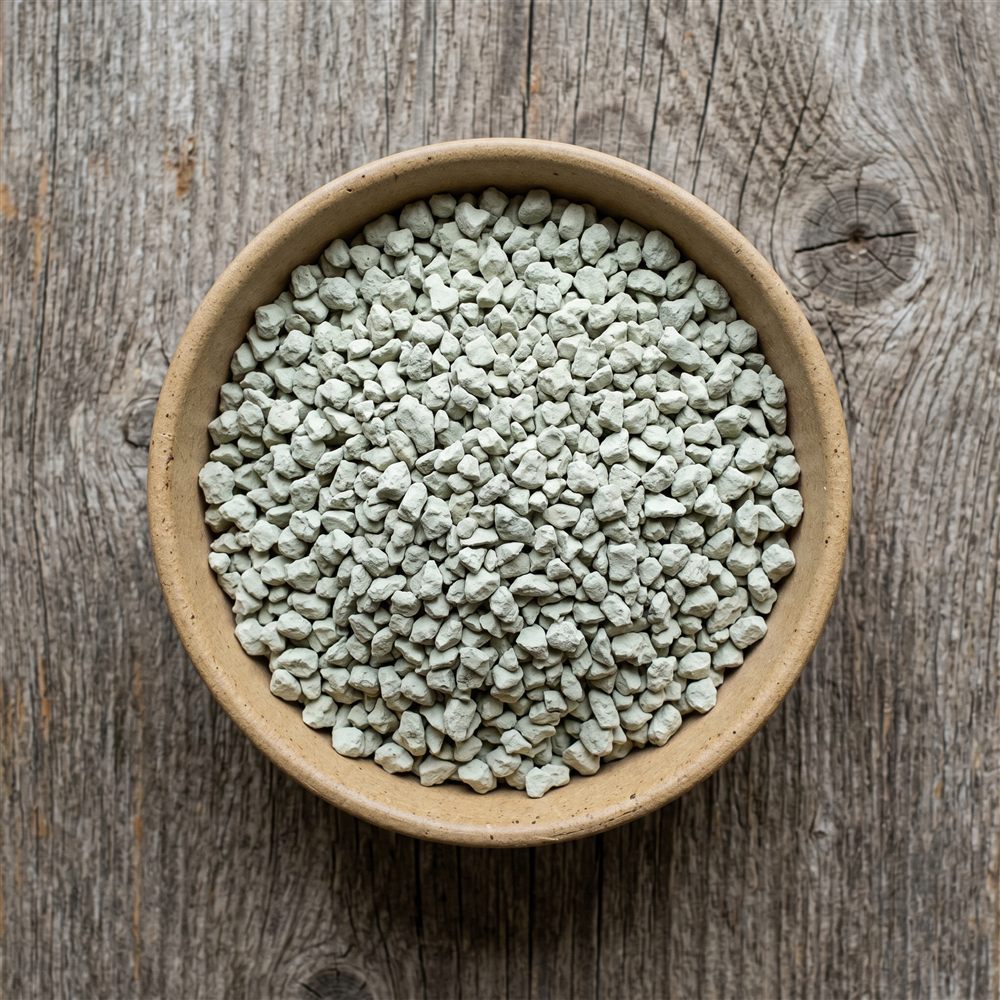
Clinoptilolite zeolite is the nutrient-holding mineral in our Aroid Mineral Mix and ICU Mix; those pages explain what it does. We use 1 to 3 mm and 3 to 5 mm grades and buy ours where aquarium supplies are sold. Check the size before you buy: in our experience, much of the zeolite sold online is finer than this. We don't link a product for it yet.
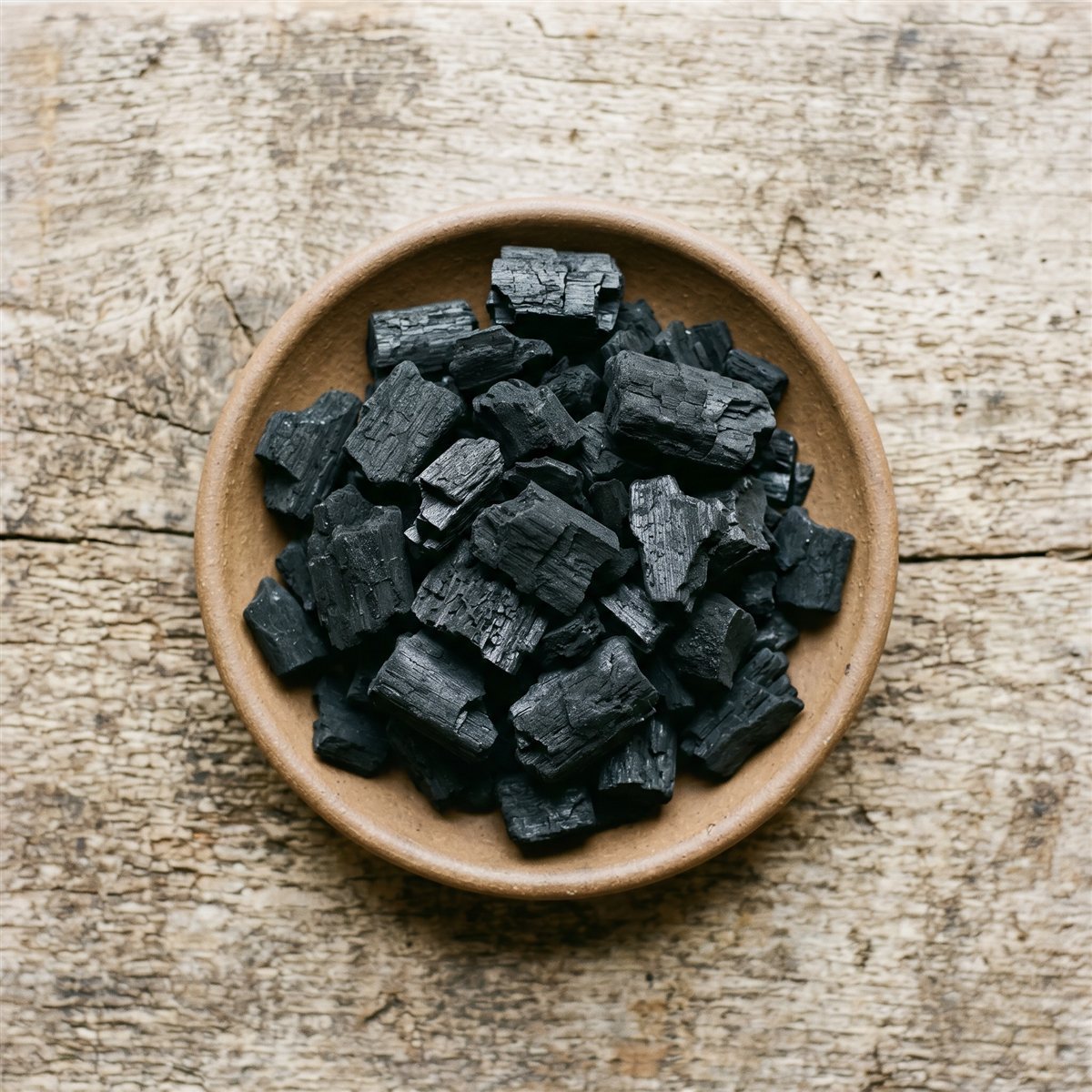
Our stand-in for bark in the Aroid Mineral Mix. Look for horticultural charcoal in chunks, 1/8 to 1/4 inch or 1/4 to 1/2 inch, not a fine biochar and not barbecue briquettes. We don't link a product for it yet.
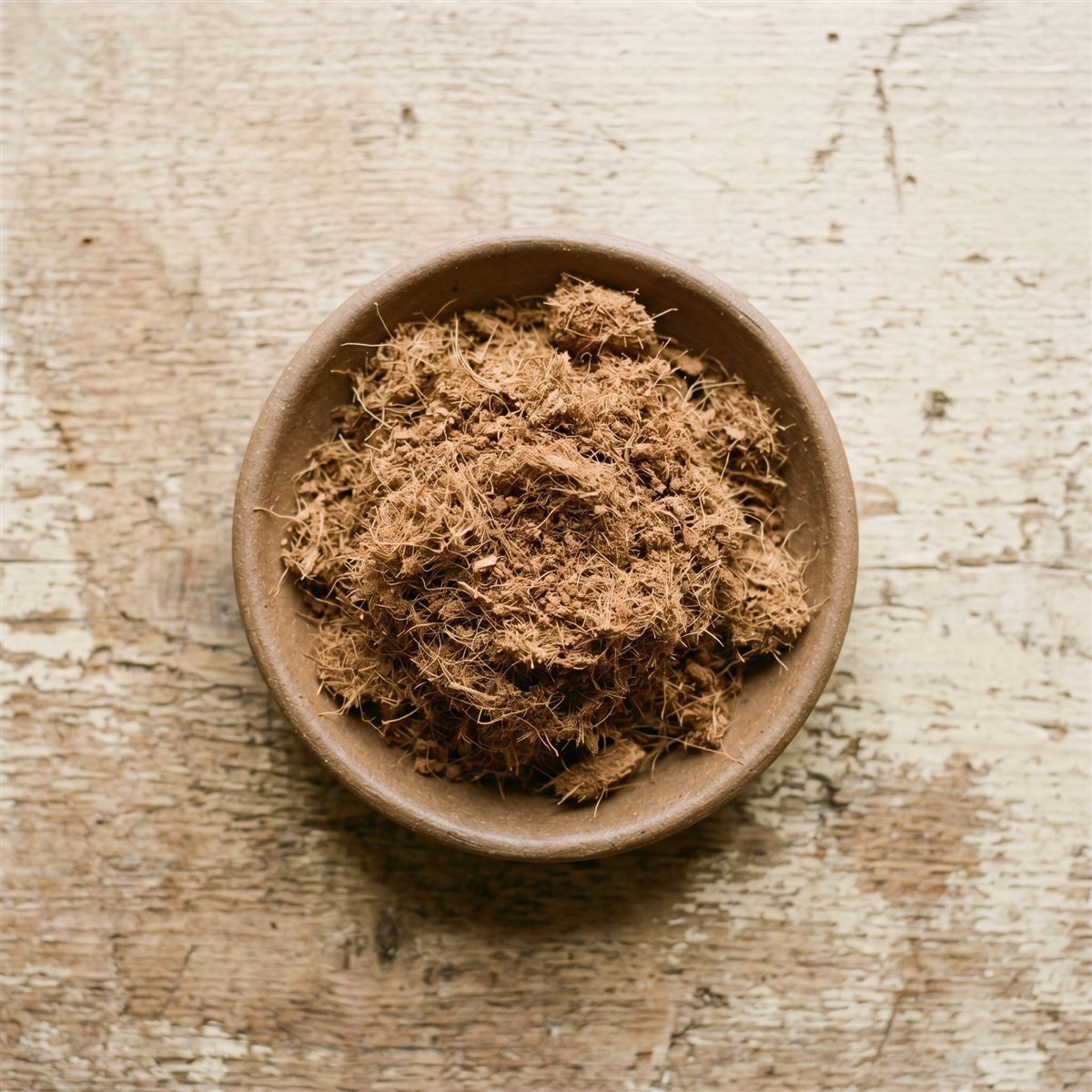
Coir typically holds 73 to 80% of its volume in water (Evans, 2014), which makes it the water-holding part of our mixes. Buy calcium-buffered coir, medium pith: untreated coir tested high in potassium and sodium and low in calcium (Gbollie et al., 2021). We don't link a product for it yet.
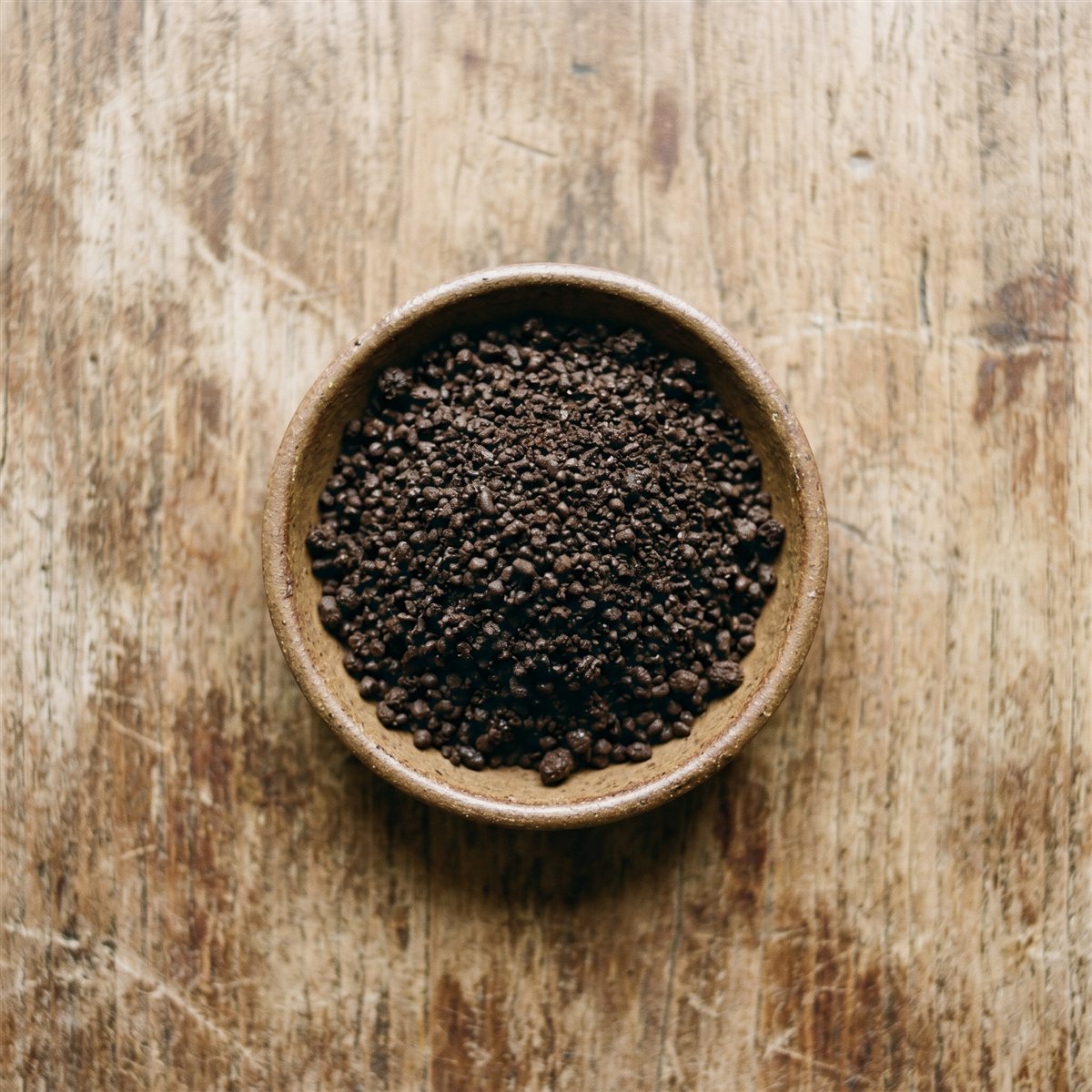
In a lettuce-seedling study, untreated worm castings carried live bacteria, and heat treatment cut their numbers sharply (Tavali & Uz, 2025). Castings also add salts, and in the same study, seedling emergence fell as salinity rose. So we keep them to a small share of the mix.
Two more we use outside our published recipes:
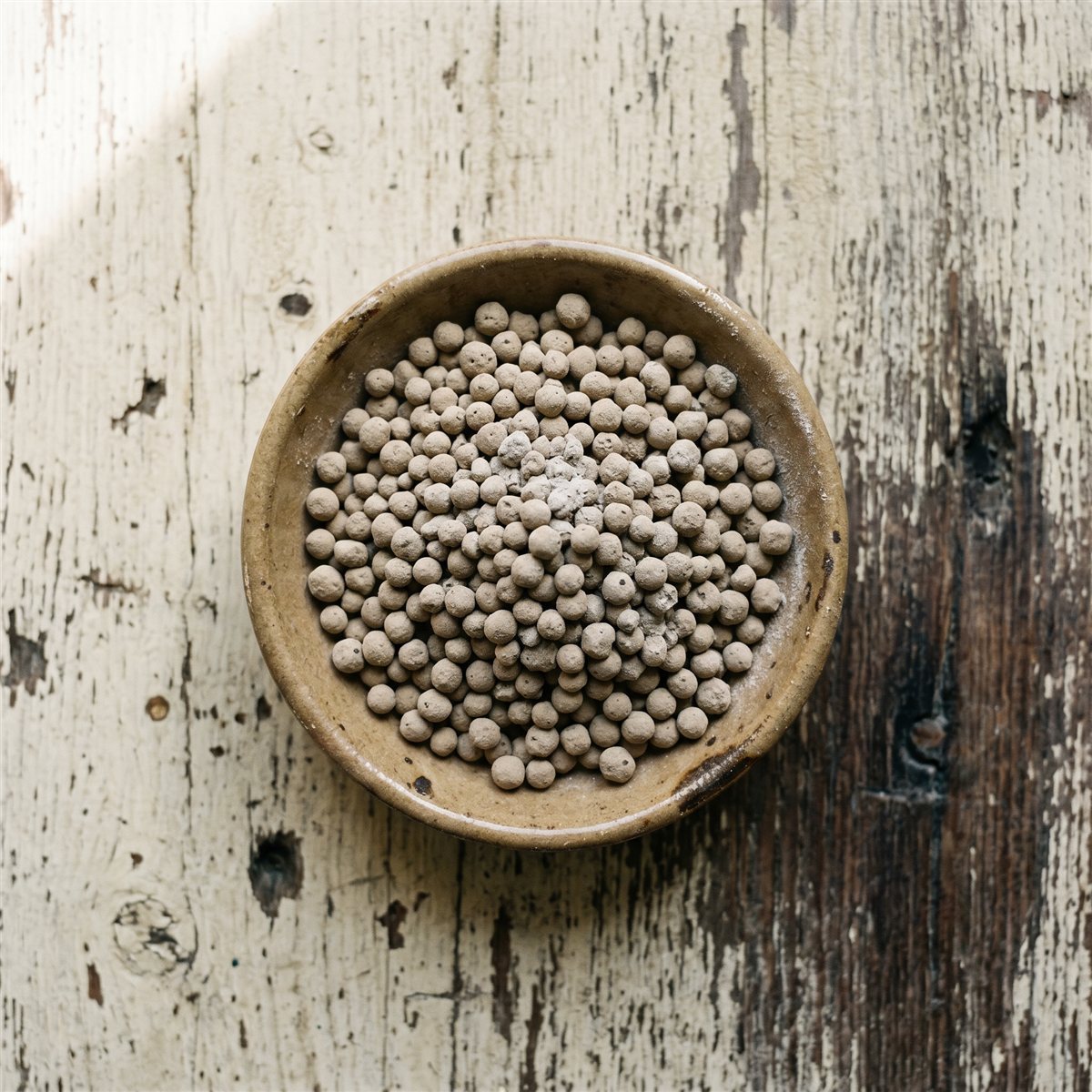
Calcined clay holds more water than pumice: a moderate amount, where pumice holds a small amount (Evans, 2014). How much of that water a plant can use depends on the product and its particle size (Koski, 1992).
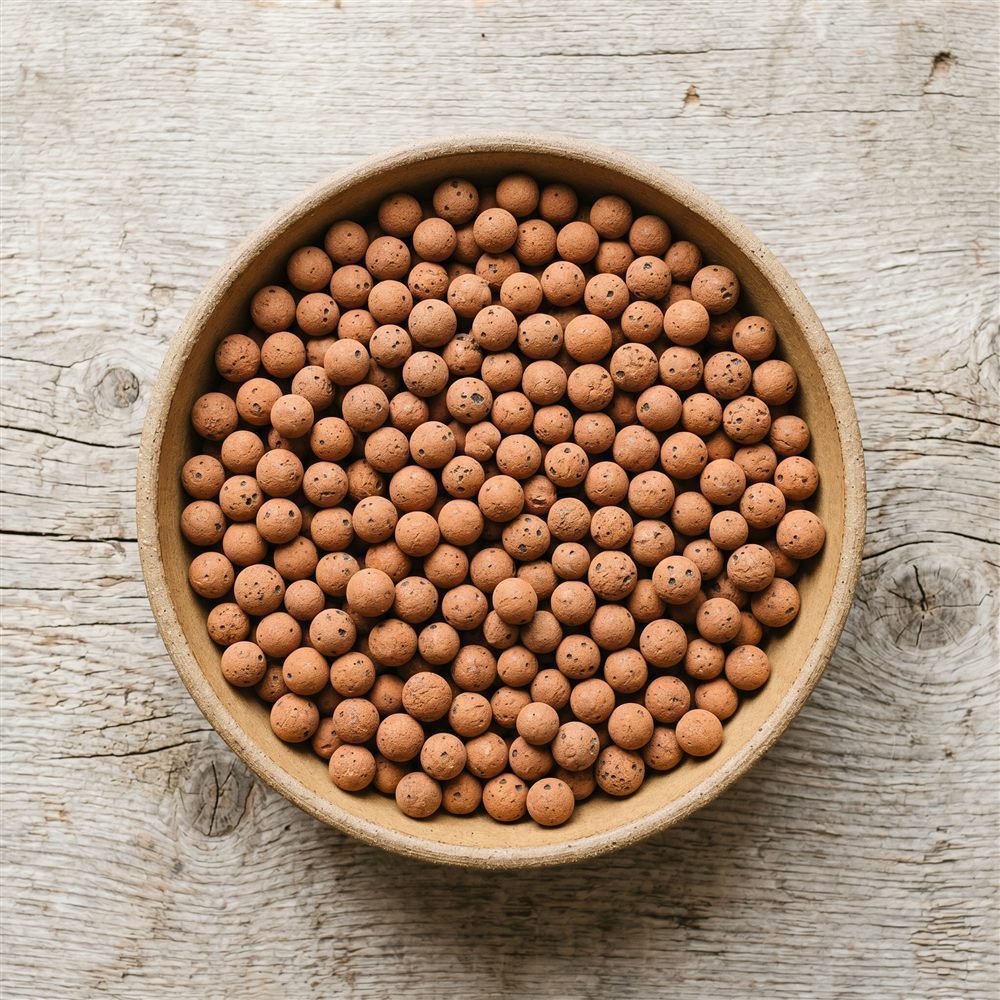
Expanded clay pebbles. We use them for semi-hydro setups (plants growing in pebbles over a water reservoir instead of a mix). In a lab comparison of nine mineral media, it held the least water plants can use (Schabauer et al., 2026). Flush it regularly, since salts can build up in it (White, n.d.). We use standard pebbles or a mini grade.
Feeding & supplements
Terracotta buttons are Amazon affiliate links; we earn a small commission if you buy.
Coir-based mixes need more calcium than peat-based ones (Owen & Lopez, n.d.). Water, limestone and fertilizers that contain calcium and magnesium are the usual sources (Cox et al., n.d.). Water with less than 40 mg/L of calcium typically needs calcium added. Too much calcium, though, can lead to a magnesium shortage (Penn State Extension, n.d.). Check your water report and fertilizer label before adding a Cal-Mag supplement.
Pest monitoring & control
Terracotta buttons are Amazon affiliate links; we earn a small commission if you buy.
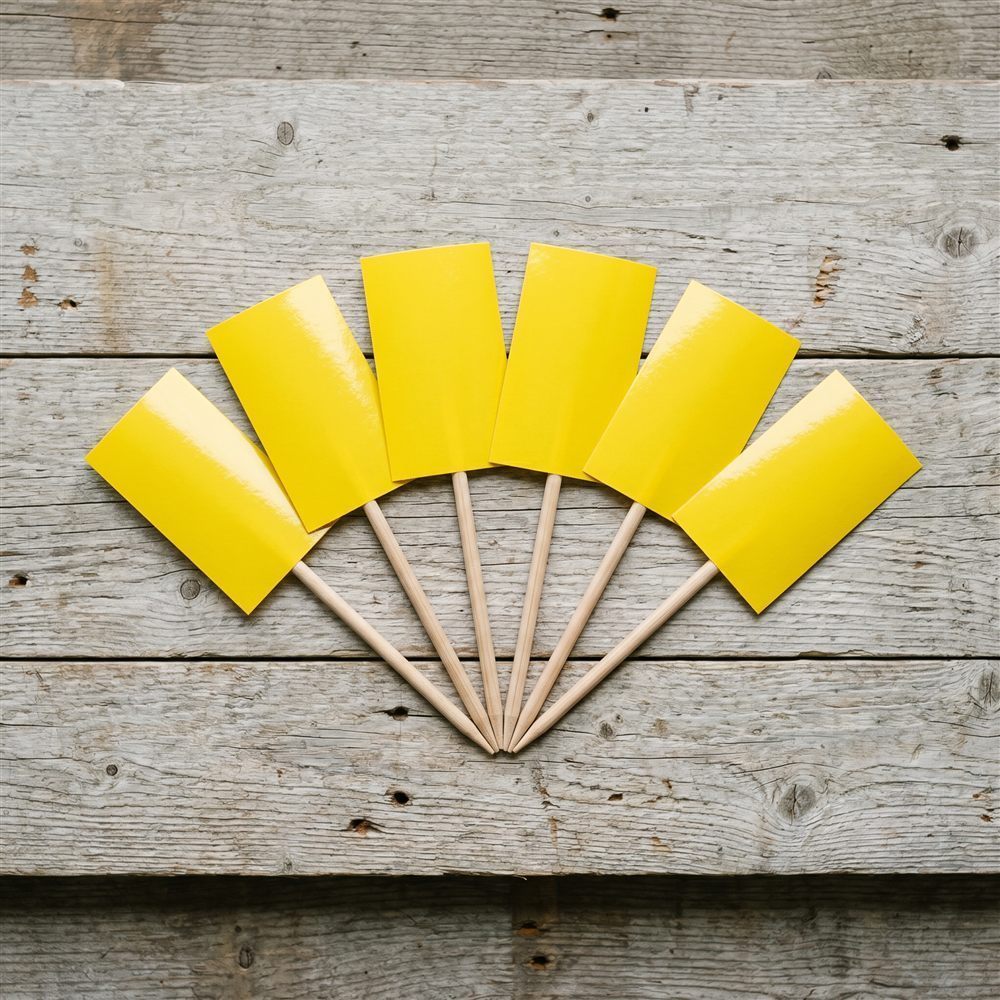
What we use to spot fungus gnats and thrips early. Yellow sticky cards trap the adults of both (Pundt, 2024), so they tell you a problem is starting, not how to solve it. For fungus gnats, lay a card face up on the mix or clip it to a stake (UNH Cooperative Extension, 2018). The fungus-gnat protocol shows where they fit.
A bacterial larvicide for fungus gnat larvae in the substrate. BTI (Bacillus thuringiensis israelensis) affects the larvae of a few related flies, mosquitoes and black flies among them (U.S. Environmental Protection Agency, 2026), not insects in general. It tends to work better on young larvae than older ones (Cloyd, 2010). Extension guidance says applying it every three to seven days can provide some control (UNH Cooperative Extension, 2018). Drench per the fungus-gnat protocol.
Plant care
Terracotta buttons are Amazon affiliate links; we earn a small commission if you buy.
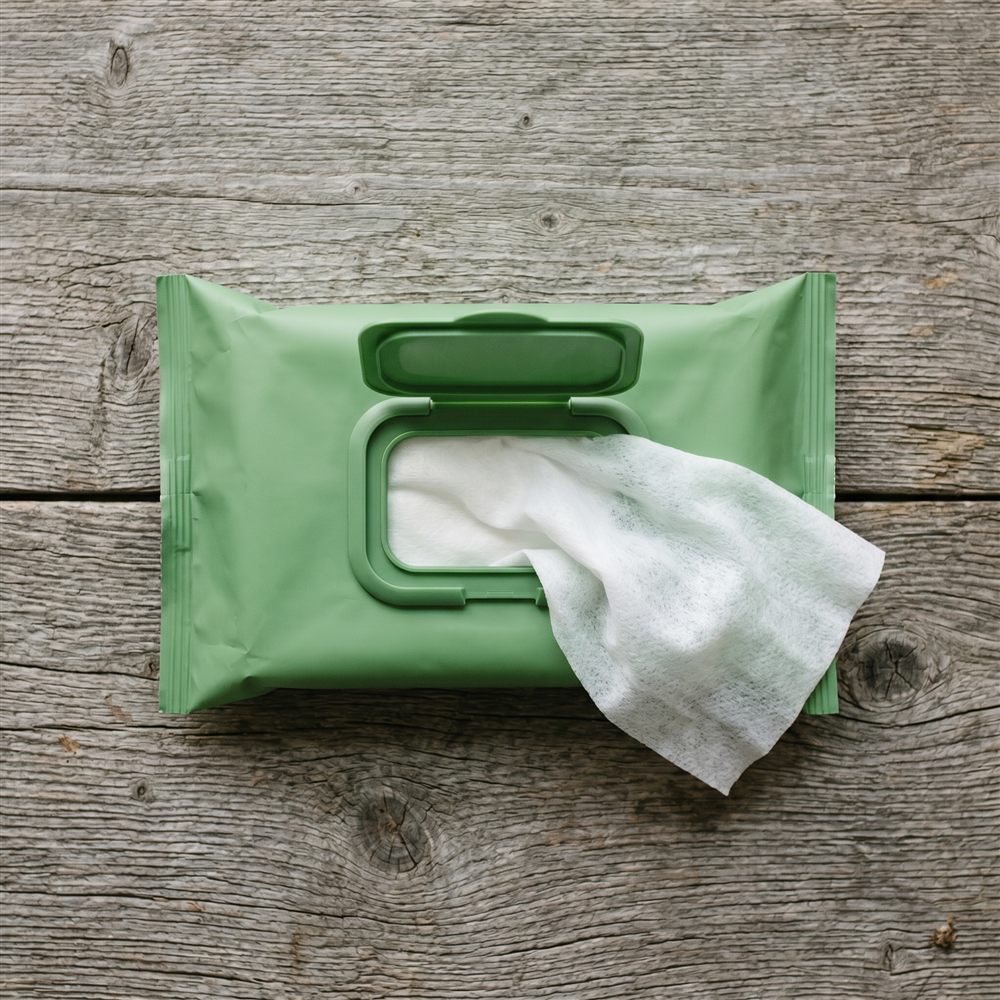
Dust on leaves can block light, and clean leaves photosynthesize more efficiently (Trott, 2026). These wipes are sold as a cleaner and shine. Extension guidance advises against leaf-shine products, which in large amounts and with frequent use can plug leaf pores and collect dust, and favors a damp cloth or a gentle shower instead (Iowa State University Extension and Outreach, 2024). Fuzzy leaves should be dusted with a soft brush rather than a wet cloth (Clemson Cooperative Extension, n.d.).
How we choose
A recommendation has to clear one bar: would we put it on our own bench, in our own mixes, near our own plants? If the answer's no, it doesn't get recommended, no matter who's selling it. We'd rather name the cheap thing that works than the expensive thing that pays better. When something's worth skipping, we say so.
A commission never changes a verdict.
Plant Profiles stay free of commercial links, always. We won't recommend something we wouldn't use ourselves. If a popular product underperforms, we'll say so, even when we can't earn from saying it. And we won't fill the page with ads posing as advice. The science comes first and the recommendation follows from it. The commission comes last.
The fine print
"As an Amazon Associate I earn from qualifying purchases."
We may join other affiliate programs over time; when we do, we'll note them here. Some of our guides, such as Reading the Bag, also carry Amazon affiliate links, labeled where they appear. RASA Garden Supply links are an unpaid local recommendation. Questions about why we recommended something, or didn't? Email support@theplantersguild.com.
Sources
- Altland, J. E., Owen, J. S., Jr., & Gabriel, M. Z. (2011). Influence of pumice and plant roots on substrate physical properties over time. HortTechnology, 21(5), 554–557. [link]
- Clemson Cooperative Extension Home & Garden Information Center. (n.d.). Indoor plants: Cleaning, fertilizing, containers & light requirements. Clemson University. [link]
- Cloyd, R. A. (2010). Fungus gnat management in greenhouses and nurseries (MF2937). Kansas State University Agricultural Experiment Station and Cooperative Extension Service. [link]
- Cox, D. A., Lopes, P., & Smith, T. (n.d.). UMass Extension floriculture water quality project: II. pH, alkalinity, calcium, magnesium and other elements. University of Massachusetts Amherst. [link]
- Evans, M. R. (2014). Unit 07: Substrates [Greenhouse management online course]. University of Arkansas. [link]
- Gbollie, S. N., Mwonga, S. M., & Kibe, A. M. (2021). Effects of calcium nitrate levels and soaking durations on cocopeat nutrient content. Journal of Agricultural Chemistry and Environment, 10, 372–388. https://doi.org/10.4236/jacen.2021.103024
- Iowa State University Extension and Outreach. (2024). Diagnosing houseplant problems related to poor culture. Yard and Garden. [link]
- Koski, T. (1992, June). Inorganic rootzone amendments. Thru the Green, 6–7. Reprinted from The Reporter, Colorado State University Extension. [link]
- Owen, W. G., & Lopez, R. G. (n.d.). Evaluating container substrates and their components (HO-255-W). Purdue University Extension. [link]
- Penn State Extension. (n.d.). Interpreting irrigation water tests. The Pennsylvania State University. [link]
- Pundt, L. (2024). Using sticky cards in the greenhouse [Fact sheet]. UConn Extension Integrated Pest Management Program. [link]
- Schabauer, J., Streit, E., Korjenic, A., Peterková, J., Zach, J., & Sulejmanovski, A. (2026). Water retention and evaporation dynamics of mineral growing media for indoor horticulture systems. Horticulturae, 12(4), 501. https://doi.org/10.3390/horticulturae12040501
- Tavali, I. E., & Uz, I. (2025). Comparison of heat-treated and untreated vermicompost as a peat substitute in seedling growing media for lettuce seedling growth and microbial properties. BMC Plant Biology, 25, 1240. https://doi.org/10.1186/s12870-025-07256-5
- Trott, R. (2026). Spring houseplant care. University of Minnesota Extension. [link]
- UNH Cooperative Extension. (2018). Fungus gnats [Fact sheet]. University of New Hampshire. [link]
- U.S. Environmental Protection Agency. (2026). Bti for mosquito control. [link]
- White, B. (n.d.). Alternative hydroponic substrates. Greenhouse Product News. [link]
We review our pages against the research and extension guidance available at the time, and we correct them when a claim doesn't hold up or a product doesn't match its description. In this review we matched the shelf to our published recipes and marked what falls outside them, and fixed or removed product links and labels that didn't match what we described. We also narrowed or cut care and safety claims our sources don't support, and added sources for what remains.