Plant myths, fact-checked

Myths Demystified

One widely-repeated piece of plant advice per entry, delivered with a verdict and backed by cited science. Almost every plant myth has a kernel of truth that keeps it alive; we find the kernel, name the actual mechanism, and tell you what to do instead.

What it is

A verdict, with receipts

Every entry lands on one of five verdicts (True, Mostly True, It's Complicated, Mostly False, False) and shows the work. Cited extension services and peer-reviewed sources, not vibes.

Who it's for

Growers tired of contradicting advice

For people who keep hearing the same tips from the same well-meaning corners of the internet and want to know which ones survive a careful look. Apprentices and Growers alike.

How it's written

Opinion-bearing, citation-backed

Where the evidence is clear, we say so. Where it's nuanced ("it depends on the plant") we say that too, and name what it depends on. No hedging for the sake of hedging.

Settled

The myths, demystified.
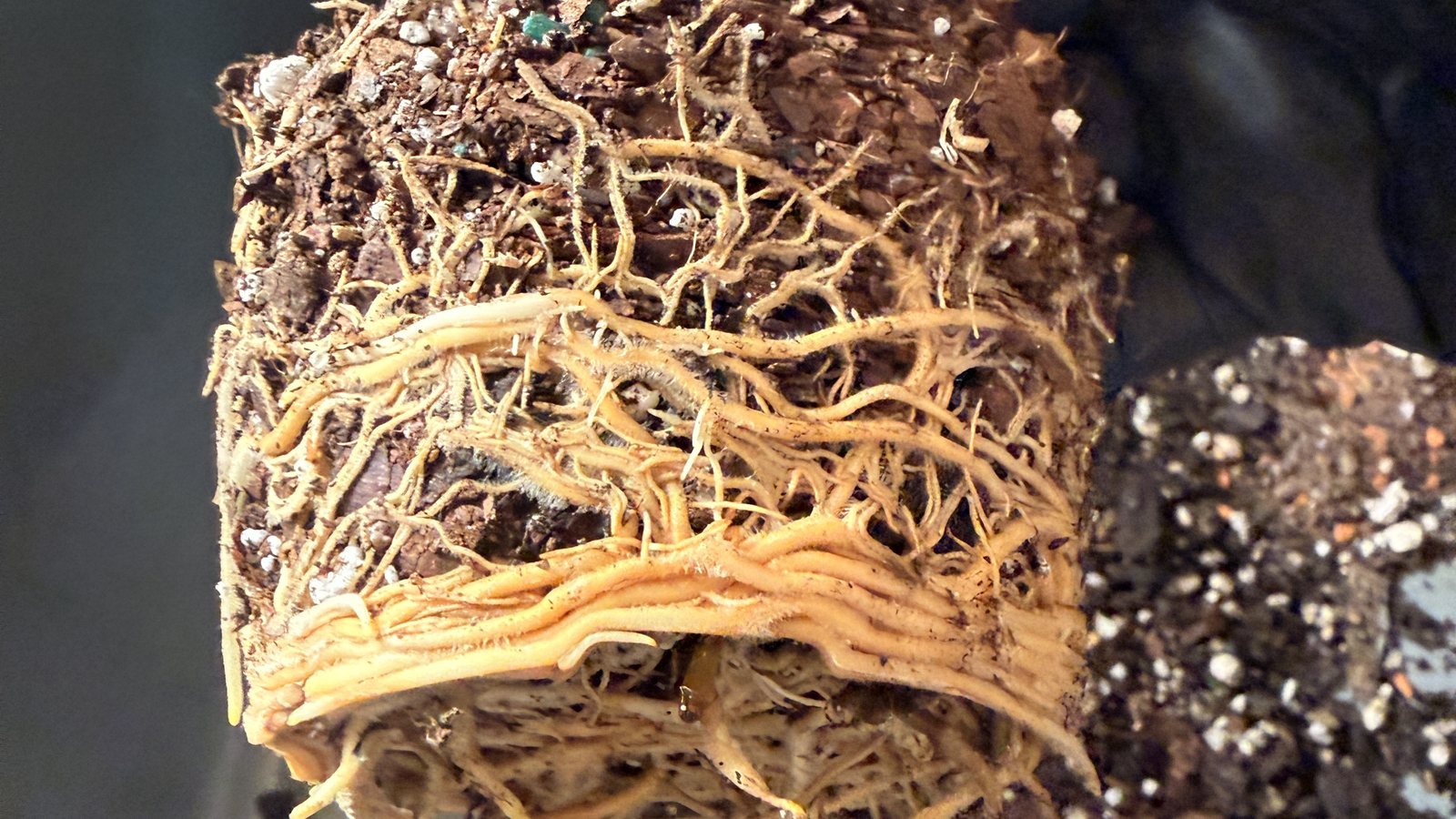
A root ball lifted out of its pot, wrapped in pale tan roots that had circled the pot wall, beside a heap of fresh potting mix

Myths Demystified · No. 08 · Mostly False

Do mycorrhizal products help your houseplants?
Root fungi called mycorrhizae are real and useful to many plants. Independent tests of the products sold to add them keep finding few live fungi, and none of seven home-garden products in a recent greenhouse test produced any root colonization the researchers could see.

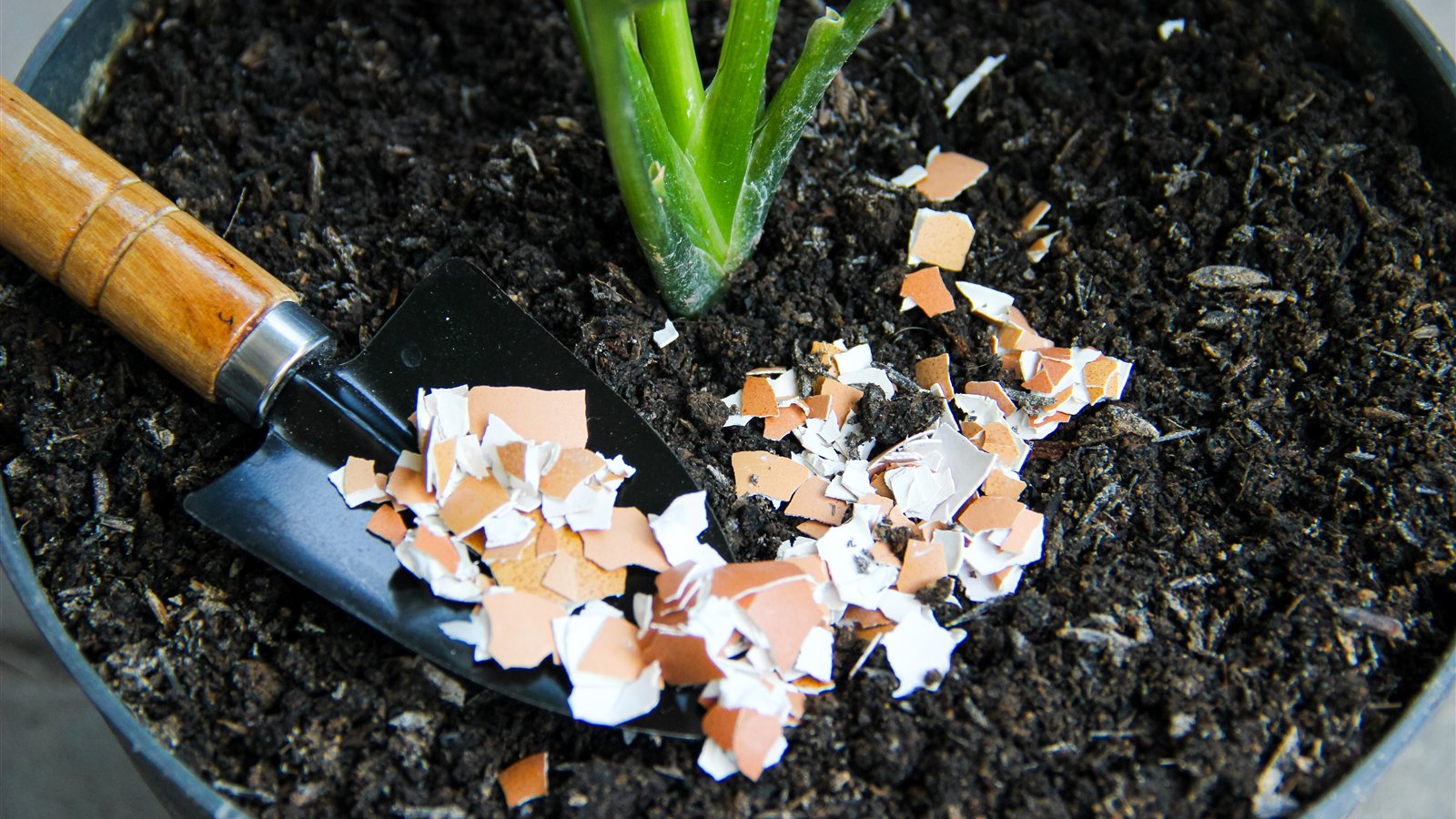
Crushed brown and white eggshell pieces scattered over dark potting soil around the green stem of a houseplant, with a small wooden-handled garden trowel resting in the pot

Myths Demystified · No. 07 · Mostly False

Do eggshells feed your houseplants calcium?
Crush the shells, stir them into the pot, free calcium. The shells really are 94 to 97% calcium carbonate, the same mineral as agricultural lime, and that's exactly the problem: calcium carbonate needs acid, fineness, and time, and a limed houseplant pot offers none of the three. The Iowa field trials, the particle-size catch, and what to do with the shells instead.

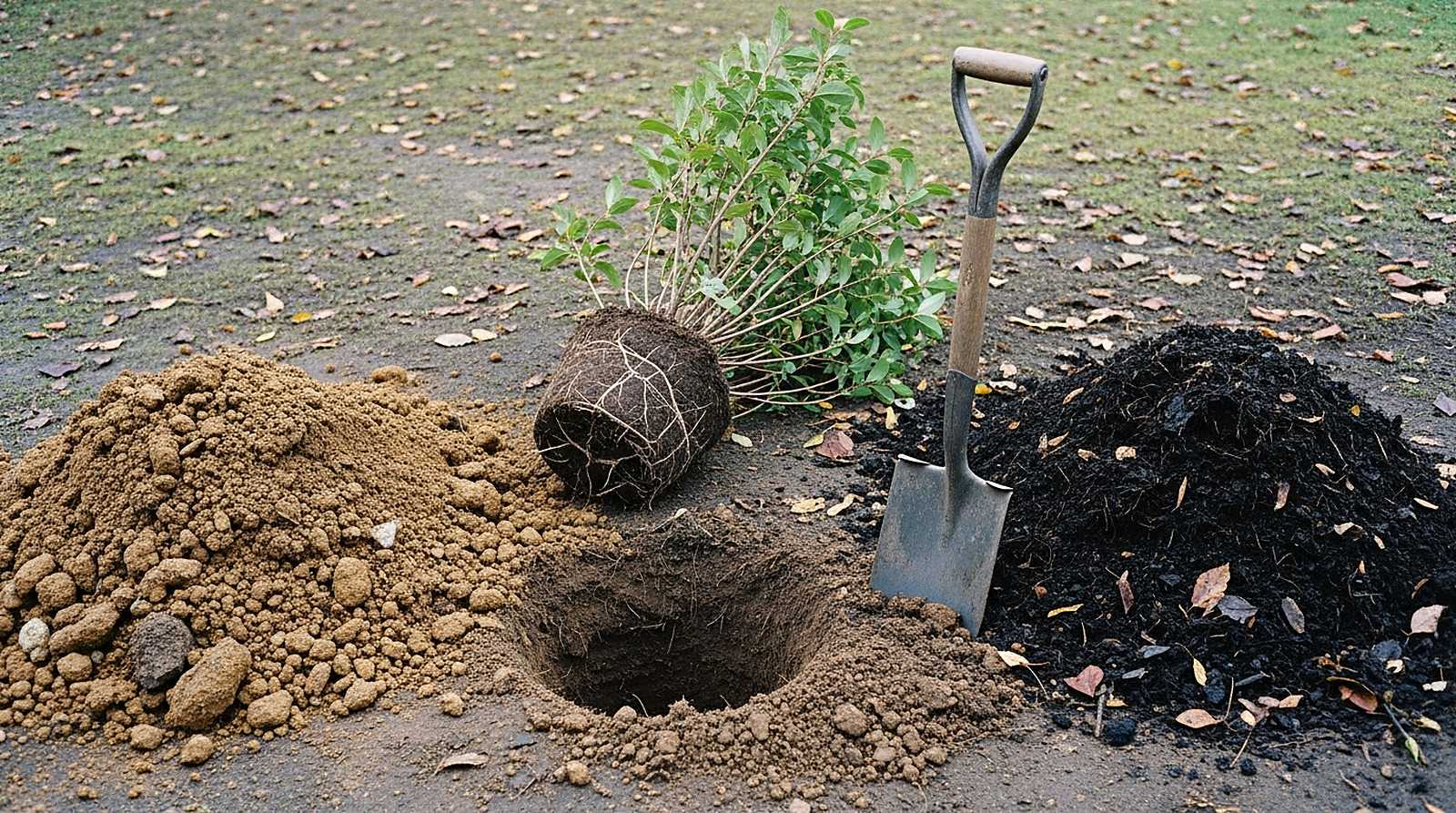
A freshly dug planting hole in brown garden soil seen from above in soft overcast light, a nursery shrub with an exposed root ball resting beside it, a worn steel spade standing in the earth, a mound of plain brown native soil on one side and a mound of dark compost on the other

Myths Demystified · No. 06 · It's Complicated

Should you amend the planting hole?
Dig a hole, mix in compost, set the tree in the good stuff. For one planting hole it gives trees and shrubs no head start, and it can leave them settling and leaning as the soft pocket sinks. Gilman, Watson, and Schuch on why the backfill doesn't help, the bathtub effect, and when improving your soil actually pays off.

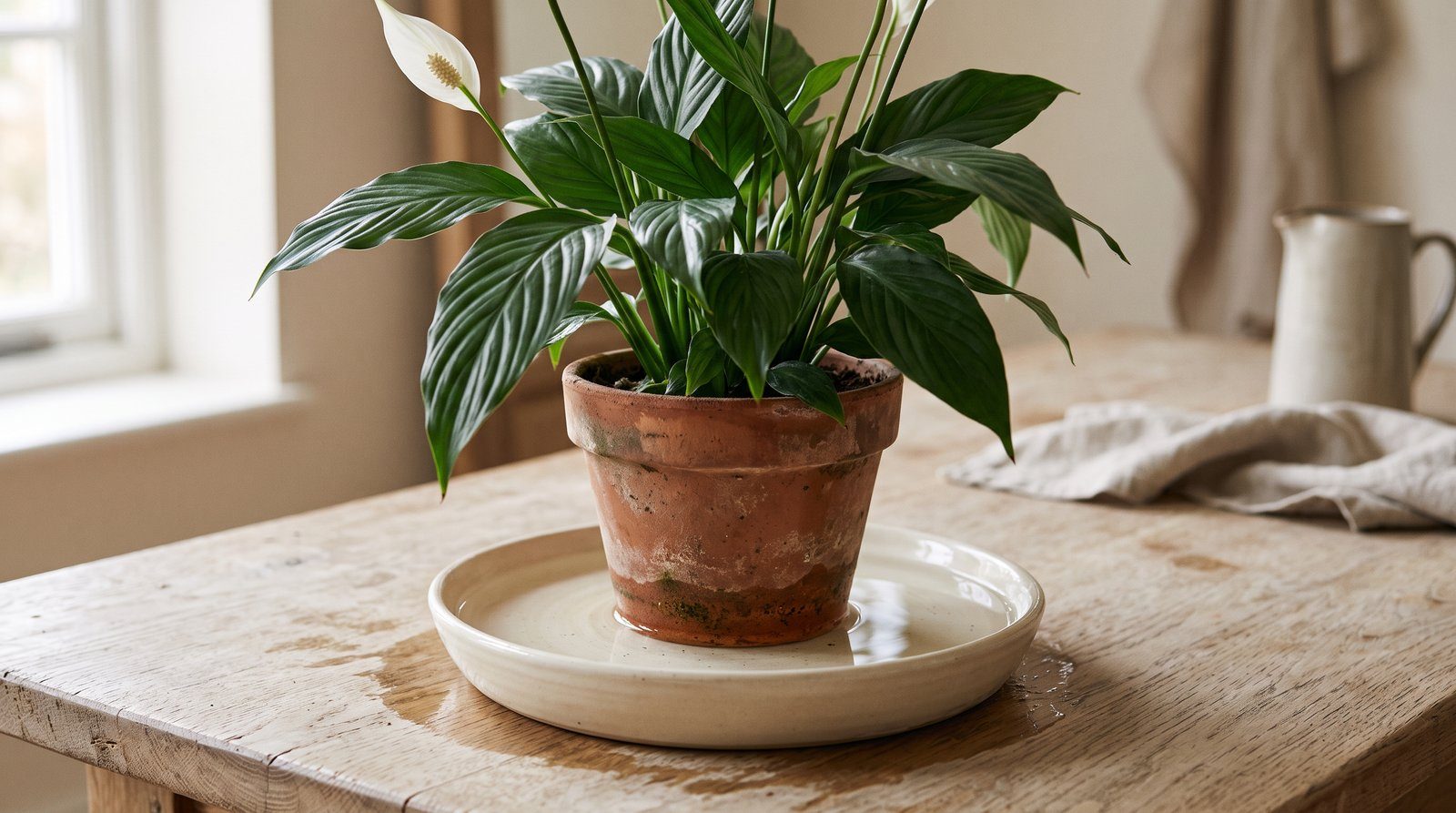
A maidenhair fern in a terracotta pot standing in a clear glass bowl of water on a white wooden table, fronds trailing over the rim and a pale line ringing the outside of the pot

Myths Demystified · No. 05 · It's Complicated

Is bottom watering better for your plants?
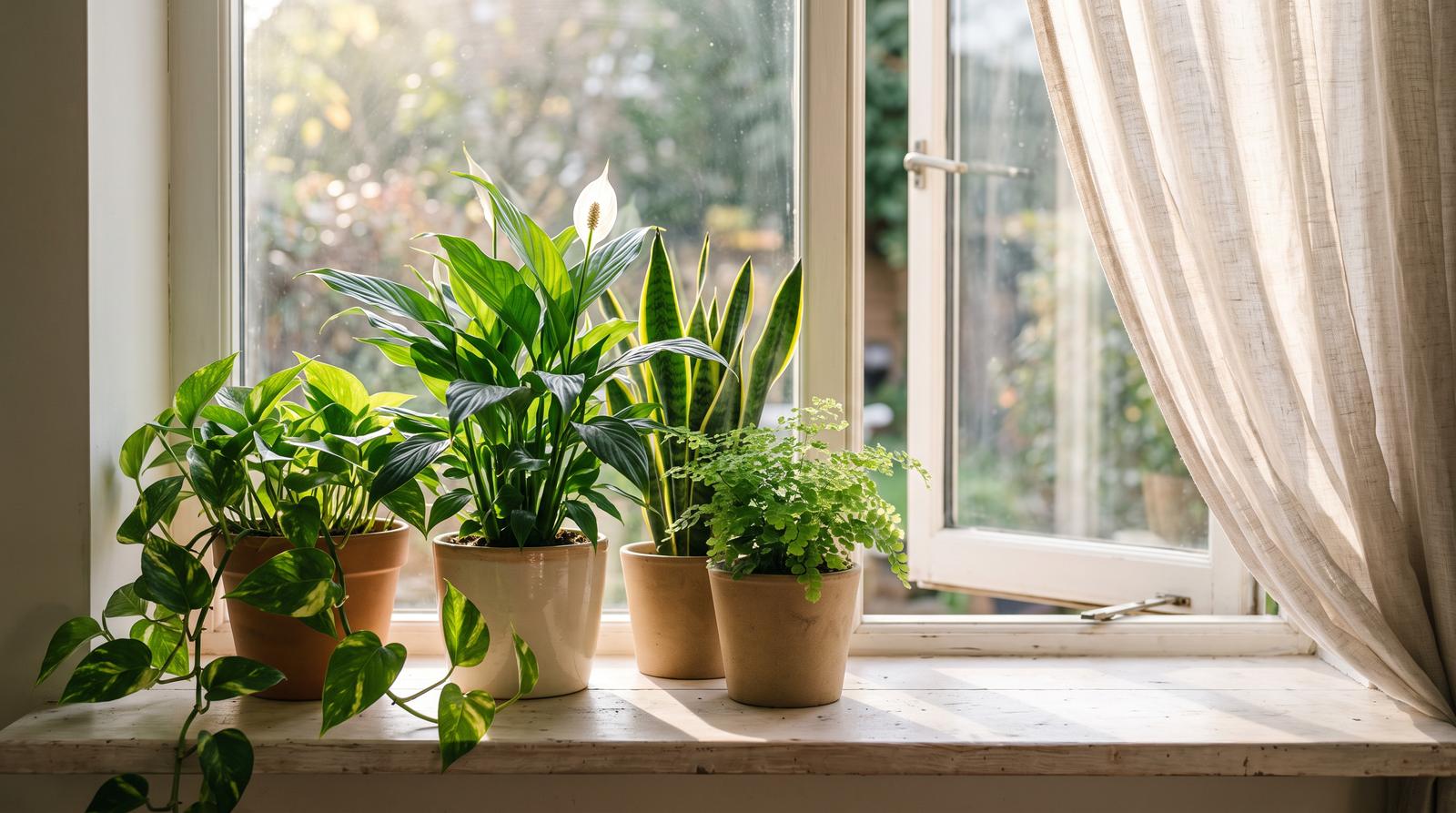
Bottom watering suits plants that can't take wet leaves. It isn't better in general: it can leave salts building up at the top of the pot, and in a greenhouse trial a small flush pushed them down toward the roots, though not to a harmful level. What the research shows and how we water.

Pothos, a blooming peace lily, a snake plant, and a maidenhair fern grouped on a weathered windowsill in warm daylight, an open casement window and lifting linen curtain behind them

Myths Demystified · No. 04 · Mostly False

Do houseplants clean your indoor air?
The idea that a few pothos scrub the toxins from your living room comes from one 1989 NASA study of sealed chambers. When Drexel engineers put 30 years of plant research on the same scale as an open window, the effect all but vanished. What the science actually shows, and what really cleans indoor air.

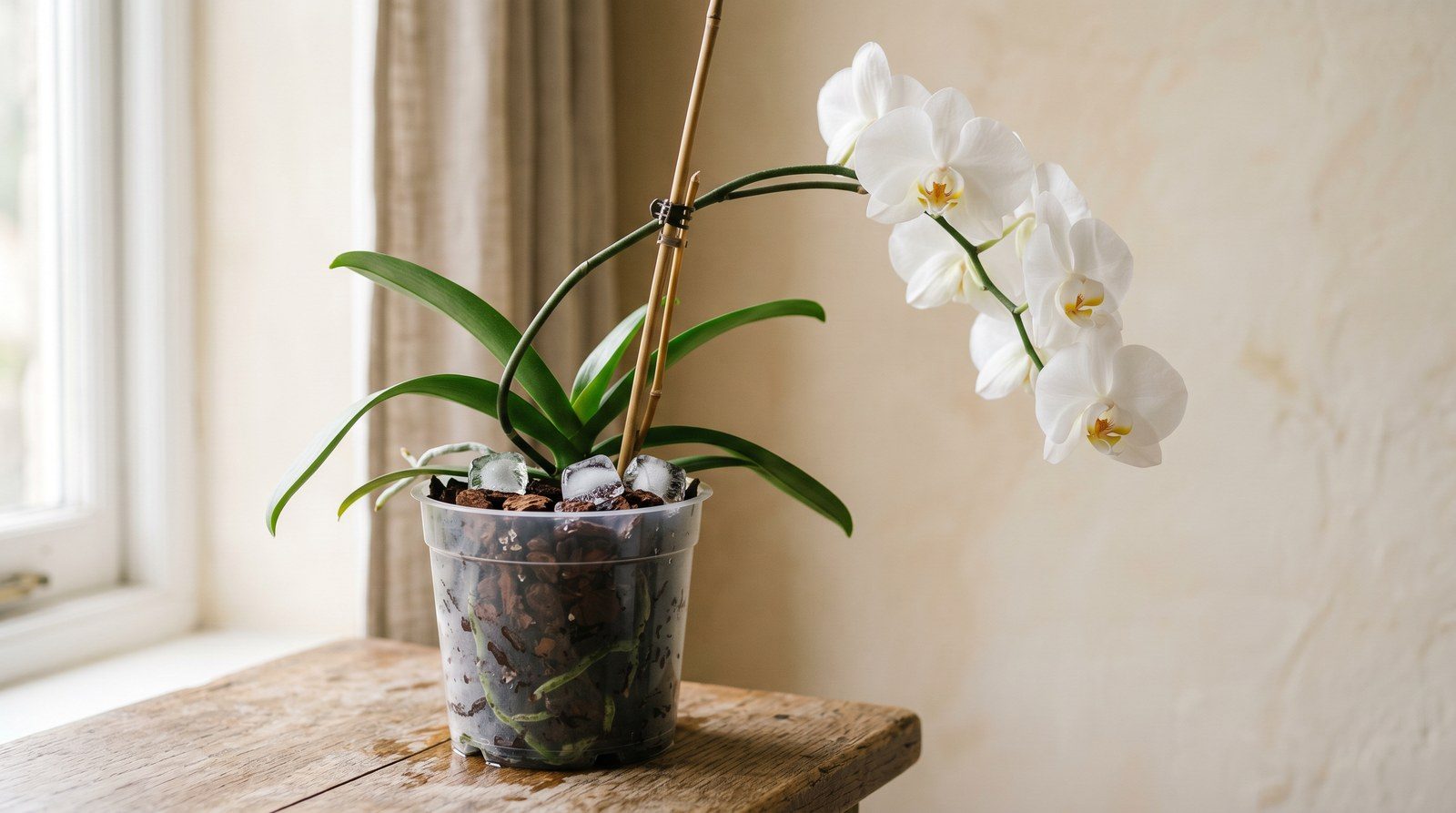
A white Phalaenopsis orchid in a clear plastic pot of bark chips in soft window light, with three ice cubes resting on the bark surface away from the leaves

Myths Demystified · No. 03 · It's Complicated

Are ice cubes a good way to water orchids?

Three ice cubes a week, printed right on the sleeve. A funded study says the orchids are fine; the American Orchid Society still says watch the cold. What the research really shows, and the safer habit to build.

Looking down into an empty green nursery pot with a coir moss pole standing in it, its raised base ringed with round drainage holes

Myths Demystified · No. 02 · It's Complicated

Do rocks at the bottom of pots improve drainage?

Extension sources warn that a gravel layer keeps a pot wetter. A 2025 study that weighed test pots found layers mostly lowered the water held in peat-free mixes and made little difference in a loam-based one. What that changes, what it doesn't, and why we still don't add one.

A clear glass plant mister in the middle of a single spray, droplets suspended mid-air over a Monstera deliciosa leaf in soft window light

Myths Demystified · No. 01 · Mostly False

Does misting actually raise humidity?

It's the most repeated advice in houseplant care. It's also one of the least effective. Penn State, Iowa State, and University of Maryland Extension on what a spray bottle actually does, and the three methods that do the real work.